Articles
America's Tariff Weaponization: An Economic Analysis of 500% Tariffs and the Inevitable Bipolar Bifurcation
By Abiqani ABdullahi/SONNA Correspondent
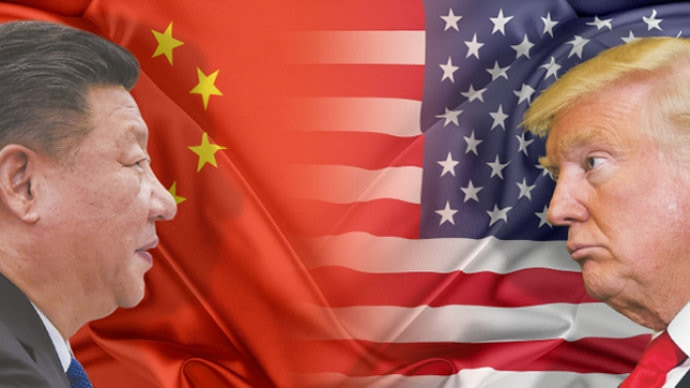
Mogadishu (SONNA): In the high-stakes theater of global economics, the mere threat of a colossal 500% US tariff on Chinese goods has become a critical inflection point, signaling a profound rupture in the international trade architecture. This is not merely a tariff dispute; it is a declaration of economic warfare, whose analysis reveals a fundamental breakdown in the globalized, dollar-centric system that the United States itself meticulously constructed. The policy, ostensibly a punitive measure targeting China's continued procurement of Russian oil, is, upon critical examination, less an instrument of effective coercion and more a symptom of deep-seated systemic stress within the established Western hegemony.
The magnitude of the proposed 500% figure immediately disqualifies it as a typical trade policy designed for market correction. Economically, such a tariff is an instrument of absolute market exclusion, a move so extreme that its primary purpose shifts from correcting trade imbalances to generating political spectacle. Its true audience is therefore domestic, a populist gesture intended to project an image of unwavering power and control amidst mounting global challenges. This act of "economic theater" demonstrates a concerning prioritization of internal political narratives over the intricate, pragmatic realities of global supply chains and financial interconnectedness.
The core vulnerability exposed by this aggressive tariff rhetoric is the perceived erosion of the US dollar's dominance. For decades, the dollar’s status as the world’s primary reserve and trading currency—particularly for essential commodities like oil—has provided Washington with an unparalleled mechanism for global enforcement, enabling it to weaponize its sanctions policy. The aggressive turn toward a 500% tariff, a figure so disruptive it borders on the self-sabotaging, is a clear indicator that the established power structure senses its authority slipping. It is a desperate measure to discipline an international system that is increasingly finding ways to conduct commerce and secure resources without Washington’s approval.
Furthermore, the measure is fatally undermined by the visible contradiction in its own moral premise. The US condemns China for open transactions involving Russian energy while numerous Western entities engage in complex, opaque transactions to import Russian-origin refined fuels via third-country intermediaries. This blatant double standard vitiates the moral high ground the US attempts to claim, transforming the policy from a defense of international order into a raw exercise of power. The rest of the world sees this duality: the perceived hypocrisy accelerates the strategic necessity for developing non-dollar trade mechanisms, thereby undermining the very financial power the US seeks to protect.
Beijing's measured, almost tranquil response to this economic thunderclap provides the necessary counter-narrative. The absence of immediate, hyperbolic retaliation is not an act of submission, but a demonstration of strategic patience and confidence. This restraint, rooted in a long-term economic and geopolitical outlook, treats the American tariff threat as a temporary, volatile outburst, a predictable consequence of a major power's "strategic exhaustion." Instead of engaging in a costly, head-to-head trade war, Beijing focuses on accelerating the quiet, structural changes that solidify its own economic sphere. The ultimate strategic goal is to allow the American overreach to exhaust itself, while China focuses on deepening its economic foundations for the emerging multipolar world.
The profound implication of America’s aggressive tariff weaponization is the rapid acceleration of global bifurcation, fundamentally reshaping international trade and financial flows. Globalization is not being destroyed; it is mutating from a singular, Western-led network into two increasingly distinct, parallel economic ecosystems. This split is characterized by:
- The Dollar-Centric Bloc: This system remains anchored by the US dollar, Western financial institutions, and adherence to US-led sanctions regimes. It is characterized by high financial regulation and the inherent political risk of trade disruption, as demonstrated by the potential for tariffs or asset freezes.
- The Emerging Credit/Energy Bloc: This parallel system is increasingly anchored by Chinese credit lines and vast energy corridors, with a growing emphasis on trade settlement using the Chinese Yuan (RMB) and the currencies of allied nations. This bloc is defined by pragmatic, long-term supply agreements and an explicit rejection of politically motivated financial coercion.
Share